Choosing between Sunnyvale and Santa Clara can feel like picking a lane without seeing the whole road. You want a smart move that balances budget, commute, and lifestyle, with room to grow. In this guide, you’ll get a clear, data-backed comparison on price points, housing types, commutes, schools, and who each city tends to fit best. Let’s dive in.
Quick market snapshot
Sunnyvale is typically the pricier market. Recent Jan 2026 snapshots show a typical home value around $2.07M and a median sale price near $1.915M. Santa Clara trends lower on average, with a typical home value near $1.70M and a median sale price around $1.72M. City medians are a starting point. Prices shift widely by neighborhood, school boundary, and property type.
Inventory entered 2026 on the tighter side across Silicon Valley. Several trackers flagged low active stock and quick offer timelines, especially for well-priced homes. Expect limited choice and move fast when the right place hits the market. For context on early 2026 conditions, see this regional update on low inventory and mixed condo trends in January 2026 (Silicon Valley housing update).
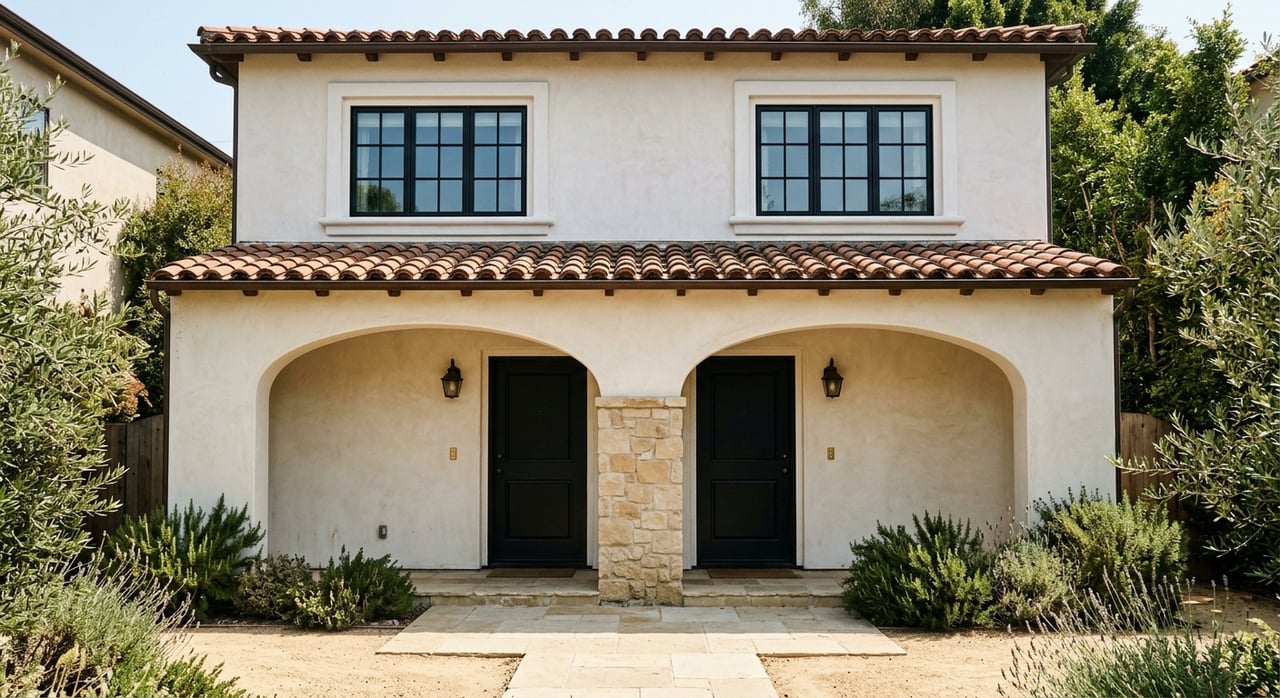
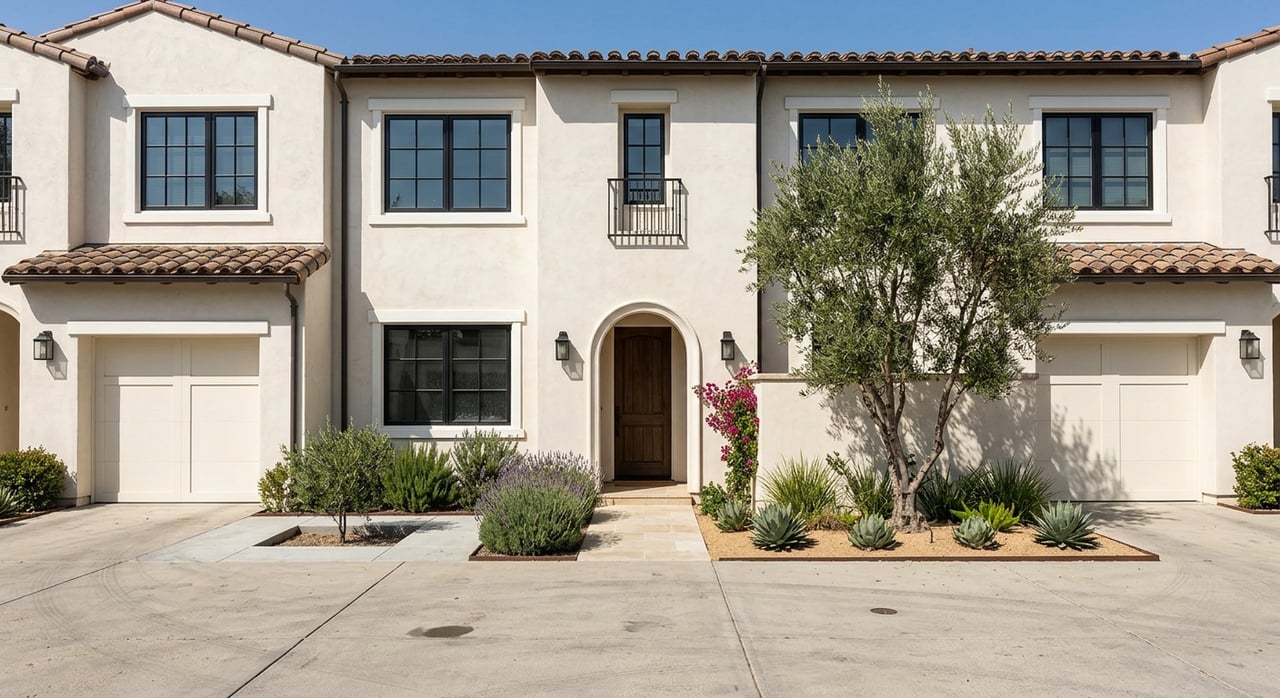
Both cities offer a mix of condos, townhomes, and single-family homes. Housing-stock summaries show detached single-family homes are about 35 percent of Sunnyvale’s inventory and about 37 percent in Santa Clara, with large multifamily buildings making up a significant share in both. Explore the breakdowns for Sunnyvale housing types and Santa Clara housing types.
Where your budget goes further
If you are price sensitive, Santa Clara often provides more entry options, especially in the north side’s condo and townhome communities. Many condos there have historically closed in the roughly $600k to $1.2M range depending on size, age, and location. Sunnyvale condos, especially downtown or in western pockets, often start around $800k for move-in ready units.
If you are focused on a detached home with a yard, expect to budget higher in both cities. In Santa Clara, many single-family homes start around the mid $1.4M to $1.6M range and up. In Sunnyvale, many single-family homes start around $1.8M to $2.0M and can go well above that in certain neighborhoods. Always review recent comps for the exact ZIP or school boundary you are targeting.
Commute and transit check
Citywide average commute times are similar. Sunnyvale’s mean travel time is about 23.1 minutes and Santa Clara’s is about 22.7 minutes, based on recent ACS city estimates (Sunnyvale profile, Santa Clara profile). Your real commute will depend on your employer’s location and your travel mode.
For Peninsula and South Bay jobs, both cities work well. Each connects to Caltrain and VTA. Sunnyvale’s compact downtown clusters around its Caltrain stop, making it a strong base for north–south rail commutes (Sunnyvale Caltrain station). In Santa Clara’s north side, you will find more VTA light-rail access and easy connections to major employers and event venues.
For East Bay commutes to Oakland, Berkeley, or Hayward, plan for longer drive times or multi-transfer transit trips. Many riders combine Caltrain and BART via transfer points, or light rail to reach BART. If cross-bay trips are frequent for you, factor those transfer times into your decision.
Schools and boundaries
School assignments vary by address, so always verify boundaries before you buy. Parts of Sunnyvale feed Sunnyvale School District (K–8) and then Fremont Union High School District for high school. In Santa Clara, much of the city is served by Santa Clara Unified, with some areas crossing into Fremont Union High School District.
Use independent resources to compare programs and check current ratings. For example, you can review profiles for Homestead High and Adrian Wilcox High. Focus on the specific schools that align with the home’s address and your priorities. Keep in mind that school-zone differences can influence both pricing and resale demand.
Neighborhood vibe at a glance
Sunnyvale blends a lively, walkable downtown with many mid-century single-story homes, including well-known Eichler tracts in 94087. If you love indoor-outdoor flow and a private yard, those neighborhoods are a draw. You will also find quiet residential pockets with larger lots alongside newer townhome and condo options.
Santa Clara offers a wider mix across its core and north side. Near Santa Clara University you will see an established residential fabric and small-business corridors. Further north near Levi’s Stadium and along Tasman, you will find newer condo and townhome communities close to transit and major campuses. The Lawrence Station area plan continues to encourage higher-density, transit-oriented development near Caltrain.
Decision guide: Sunnyvale vs. Santa Clara
Use these lenses to decide where to focus first:
Budget and value
- Santa Clara often stretches your dollars further, especially for condos and townhomes.
- Sunnyvale tends to run higher on average, especially for single-family homes.
Space and privacy
- Sunnyvale has identifiable single-story and yard-focused neighborhoods that many buyers prioritize.
- Santa Clara offers classic single-family streets plus lots of newer attached options for low-maintenance living.
Transit and commute
- For rail to Peninsula employers and a walkable station area, Sunnyvale’s downtown is a plus.
- For proximity to VTA light rail and north Santa Clara employers, the 95054 area stands out.
Schools
- Both cities include areas served by well-regarded public schools. Verify the exact attendance zones for any address on your shortlist.
First-time buyer path
- If you are starting with a condo or townhome and value selection, Santa Clara’s inventory can be a practical entry path. Budget for HOA fees and review reserves.
- If your goal is a single-family home with a yard, Sunnyvale offers distinct pockets that fit the brief, often at a higher price point.
East Bay access
- If you regularly commute to Oakland, Berkeley, or Hayward, weigh Santa Clara and Sunnyvale addresses with easier access to 237, 101, or transfer points to BART.
How to choose with confidence
- Set a realistic budget. Align your loan pre-approval with today’s inventory bands for your target property type.
- Pick your property type first. Decide condo, townhome, or single-family before you pick the city.
- Map your commute. Time your route during your actual commute window and test a transit option if you plan to use it.
- Verify school boundaries. Check the exact address against district tools and independent school profiles.
- Walk the neighborhood. Visit morning, evening, and weekend to understand traffic, noise, and parking patterns.
- Watch HOA details. For condos and townhomes, review budgets, reserves, insurance, and any pending assessments.
- Prepare your offer plan. In a low-inventory market, speed and clean terms matter. Know your ceiling and contingencies.
Ready to compare homes side by side and get strategy tailored to you? Connect with Brianna Ramirez for a neighborhood-level plan, live comps, and a clear path to your next home.
FAQs
Is Sunnyvale or Santa Clara cheaper on average?
- City snapshots from January 2026 show Sunnyvale trending higher on both typical value and median sale price, while Santa Clara averages are lower. Prices vary widely by ZIP, property type, and school zone.
Where do first-time buyers find more condos and townhomes?
- Both cities offer attached homes, but Santa Clara’s north side generally has more newer higher-density options. This often creates more choices for first-time buyers focused on condos and townhomes.
How long are the average commutes in each city?
- Sunnyvale’s mean travel time is about 23.1 minutes and Santa Clara’s is about 22.7 minutes based on recent ACS estimates. Your door-to-door time depends on employer location and travel mode.
Which city is better for Caltrain access?
- Both work, but Sunnyvale’s downtown is closely tied to its Caltrain station, which many Peninsula commuters prefer. Santa Clara also has Caltrain access and nearby stations that serve different neighborhoods.
Do school districts overlap in these cities?
- Yes. Parts of Sunnyvale and Santa Clara feed different districts and high schools depending on the address. Always verify school assignment for each specific property before you write an offer.