Wondering how to make your Saratoga home stand out to buyers who care about more than square footage? In a city known for polished presentation, strong architecture, and high-value homes, design details can shape a buyer’s first impression fast. If you are getting ready to sell, a smart staging and marketing plan can help your home feel memorable online and in person. Let’s dive in.
Why design matters in Saratoga
Saratoga is a largely owner-occupied community of about 30,000 residents, with high home values and a strong digital audience. Census QuickFacts reports an owner-occupied housing rate of 86.4%, median household income above $250,000, median owner-occupied home value above $2,000,000, and broadband subscription in 97.3% of households. For sellers, that means your listing is likely reaching buyers who expect a polished experience from the first photo onward.
Saratoga also has a distinct architectural story. The city’s heritage inventory identifies styles that range from early-American farmhouses and Victorian homes to Craftsman bungalows, Eclectic Revival homes, Ranch houses, and simplified Modern designs. When you market a Saratoga home for design lovers, the goal is not to make it look like every other listing. The goal is to help buyers see the home’s character clearly.
Start with the home’s original style
A design-forward sale usually starts with restraint. Instead of covering every feature with a generic luxury look, focus on what makes the home feel true to its era and layout. That approach can help your listing feel more memorable and more honest.
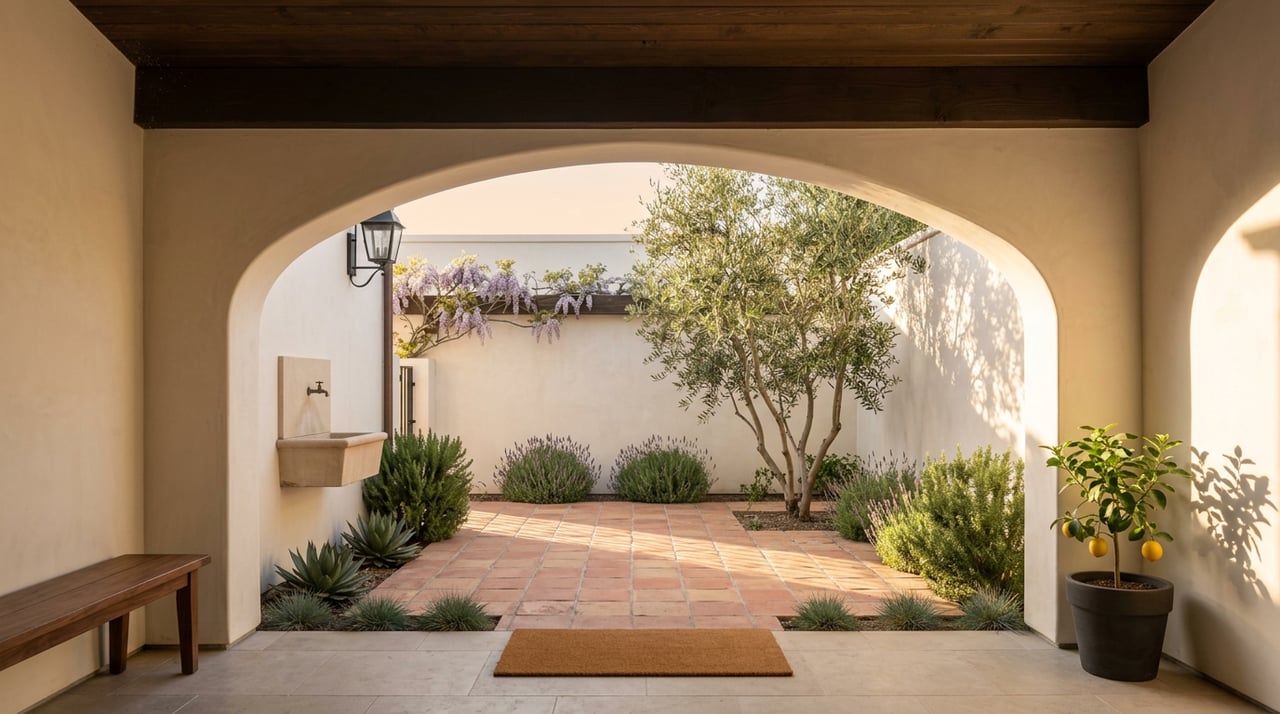
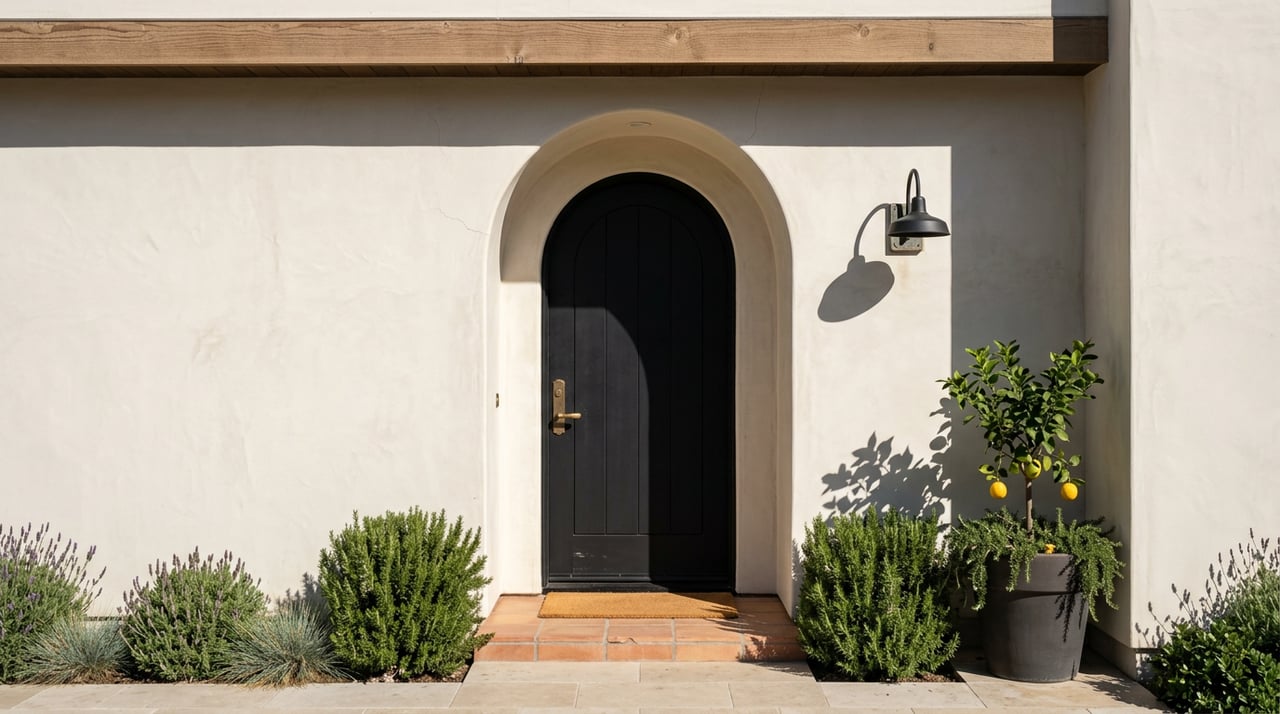
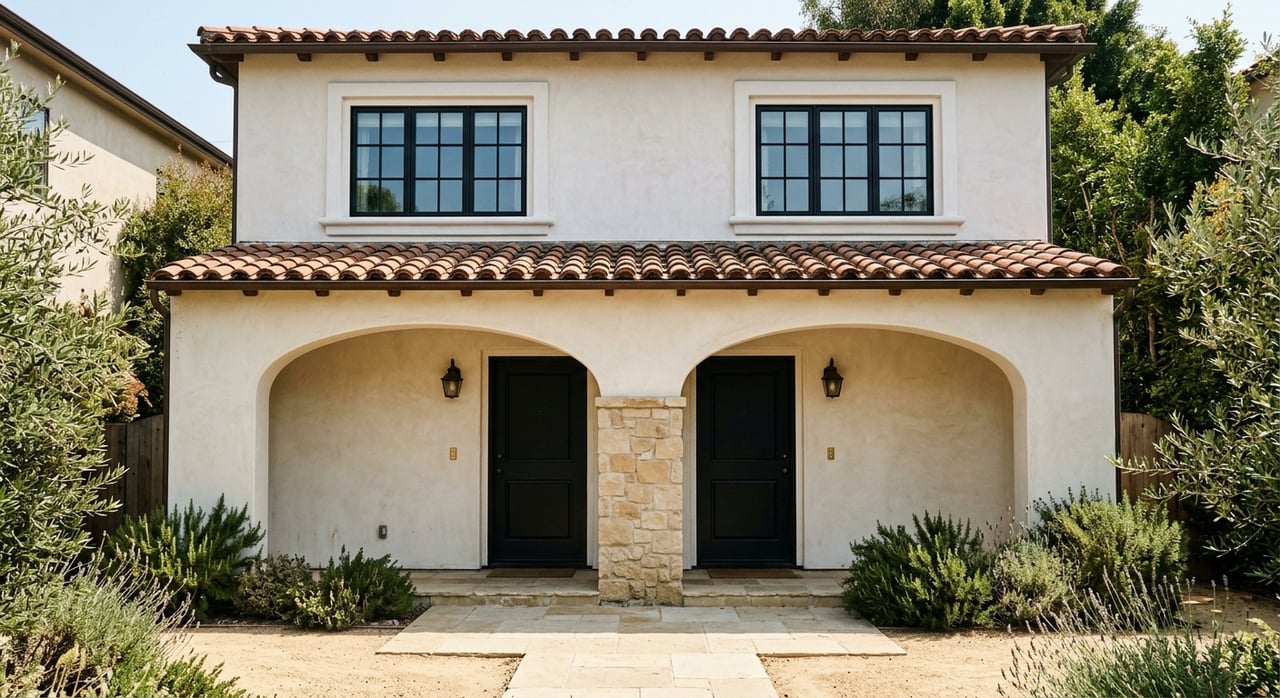
In Saratoga, that can mean highlighting broad eaves, porch beams, and low proportions in a Craftsman-style home. It can mean drawing attention to tile roofs or arched openings in a Spanish Eclectic or Mission Revival property. In a Ranch or mid-century home, it often means emphasizing horizontal lines, single-story flow, and the indoor-outdoor connection.
Design cues worth highlighting
- Craftsman and bungalow homes: broad eaves, exposed joinery, porch details, grounded proportions
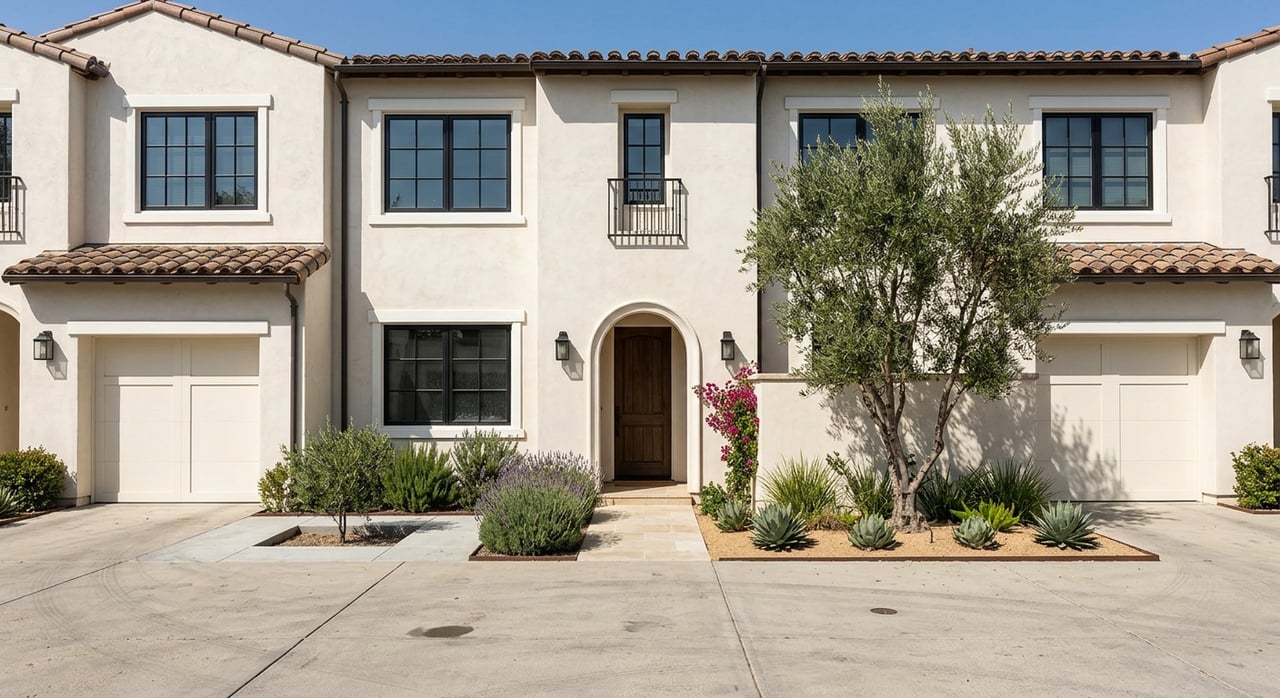
- Eclectic Revival homes: arched openings, tile roofing, formal symmetry, period-inspired exterior details
- Ranch and mid-century homes: open sightlines, simple geometry, strong connection to the yard, single-story ease
- Minimal Traditional homes: clean lines with selective traditional details, sometimes including Spanish-inspired features
When your staging supports these details instead of competing with them, buyers can picture the home more clearly. That is especially important for buyers who appreciate architecture and notice the difference between thoughtful styling and one-size-fits-all staging.
Stage the rooms buyers notice first
If you are deciding where to spend time and money, start with the rooms buyers respond to most. According to the National Association of REALTORS® 2025 staging survey, the most commonly staged spaces were the living room at 91%, primary bedroom at 83%, dining room at 69%, and kitchen at 68%.
Those rooms tend to carry the emotional weight of a showing. They tell buyers how the home lives day to day, how it entertains, and how comfortable it feels. In a Saratoga home, they also give you the best chance to highlight architectural lines, natural light, and materials.
Living room
The living room is often where your home’s style reads most clearly. Keep furniture scaled to the room so buyers can see circulation, window placement, and focal points like a fireplace, built-ins, or views to the yard. Clean styling, strong lighting, and a few intentional textures usually work better than overcrowding the space.
Primary bedroom
The primary bedroom should feel calm, simple, and finished. Buyers do not need a dramatic makeover here. They need a room that feels restful, spacious, and easy to imagine as their own.
Dining room
A dining room can help define lifestyle, especially in homes with traditional layouts or strong indoor-outdoor entertaining flow. A clean table setting, balanced artwork, and lighting that suits the room’s scale can make the space feel useful without making it feel staged for a photo set.
Kitchen
In many Saratoga homes, the kitchen is a major value driver. Clear counters, edited decor, and seating that fits the island or breakfast area can make the room feel larger and more functional. If the kitchen has updated finishes, your staging should support them, not distract from them.
Let architecture lead the staging
Design lovers usually respond to homes that feel visually coherent. That means your furniture, art, and accessories should work with the architecture, not against it. A Ranch home may need lower furniture profiles and a cleaner visual rhythm, while a Craftsman home may benefit from warmer woods and pieces that echo its grounded character.
This does not mean filling the home with period furniture. It means choosing styling that respects scale, sightlines, and material tone. In practice, that often creates a more elevated result than trying to force every Saratoga listing into the same neutral template.
Don’t ignore outdoor spaces
In Saratoga, outdoor presentation matters. NAR staging data includes outdoor and yard spaces among the areas that can influence buyer perception, and that fits a market where many homes connect strongly to patios, porches, gardens, or larger lots.
The city also notes landscaping that uses drought-tolerant, bee-friendly, and California-native plants suited to the local climate. For sellers, that makes a practical case for a tidy, intentional exterior. Clean hardscape, refreshed planting, styled patio seating, and a visible path to the front door can go a long way.
Outdoor updates that photograph well
- Refresh mulch or ground cover where needed
- Trim overgrowth to reveal walkways and architecture
- Stage one or two patio moments with simple seating
- Clear visual clutter near entryways and garages
- Make sure planting looks maintained and purposeful
For Ranch and mid-century homes especially, the yard is often part of the architecture. Buyers should be able to feel that connection as soon as they scroll through the listing photos.
Market the home for a screen-first audience
Before buyers visit, they usually browse. NAR’s 2025 home buyers and sellers report says the first step in the home search process was looking online for properties, and 51% of buyers found the home they purchased on the internet. Among buyers who used the internet, the most useful website features were photos at 83%, detailed property information at 79%, floor plans at 57%, virtual tours at 41%, and videos at 29%.
That matters even more in Saratoga, where broadband subscription is 97.3% of households. Your listing needs to feel strong on a phone screen, laptop, and large monitor before it ever hosts a showing. A great in-person experience still matters, but the digital first impression usually comes first.
What your launch package should include
- Strong listing photography
- Detailed property description
- Floor plan
- Video or virtual walkthrough when possible
- A tight, intentional photo sequence
The first image matters most. Lead with the exterior or lifestyle image that best captures the home’s identity, whether that is a charming façade, a bright living space, or an indoor-outdoor entertaining scene. Then let the rest of the photo order tell a logical story of the home.
Write listing copy with real substance
Good marketing copy should do more than say a home is beautiful. Buyers who search online want detailed property information, and they value floor plans because they want to understand how a home actually functions.
That means your listing description should explain the layout, materials, updates, and usable spaces in plain language. If the home has strong architectural details, name them clearly. If the kitchen opens to the yard, say that. If a single-story Ranch layout creates easy flow, make that benefit easy to understand.
Focus your copy on details like these
- Architectural style and standout design features
- Room-to-room flow
- Connection between interior and outdoor spaces
- Material finishes and notable updates
- Flexible areas for work, guests, or hobbies
This kind of copy tends to feel more credible than vague luxury phrases. It also helps buyers decide whether the home fits what they are looking for before they step inside.
Is physical staging worth it?
In many cases, yes. NAR’s staging survey found that 83% of buyers’ agents said staging makes it easier for buyers to visualize a property as a future home. The same report found that photos were considered much more or more important by 73% of buyers’ agents, traditional physical staging by 57%, videos by 48%, and virtual tours by 43%.
Virtual staging can help in some situations, but it should not be your only strategy if the home needs help telling its story. The survey also notes that 38% of buyers’ agents said virtual staging was of less importance. If you are choosing a staging partner, the same report found that sellers’ agents most often prioritized quality of design at 63% and price at 51%.
Think about return, not just spend
Sellers often ask whether staging pays off. In the NAR report, 17% of buyers’ agents said staging increased the dollar value offered by 1% to 5%, and the median spend on a staging service was $1,500.
That does not mean every home will see the same result. It does mean thoughtful presentation can influence how buyers respond to value. In a place like Saratoga, where buyers often compare design, condition, and lifestyle quickly, that first impression can matter a lot.
A Saratoga strategy should feel tailored
The best staging and marketing plan for your Saratoga home should reflect the property itself. A historic bungalow near Saratoga Village may need a different presentation than a postwar Ranch or a more updated estate-style home. Buyers notice when the look, the photos, and the story all feel aligned.
That is where a design-aware marketing approach can make a difference. When your home is styled with intention, photographed with purpose, and introduced with clear, specific storytelling, it has a better chance to stand out in a crowded digital feed and leave a strong impression in person.
If you are preparing to sell and want a strategy that blends local market knowledge with polished, design-forward marketing, connect with Brianna Ramirez for a personalized plan.
FAQs
Which rooms should I stage first in a Saratoga home?
- Start with the living room, primary bedroom, dining room, and kitchen, since these were the most commonly staged rooms in NAR’s 2025 survey.
Is virtual staging enough for marketing a Saratoga listing?
- Usually not by itself. NAR data suggests buyers’ agents place more importance on traditional physical staging than virtual staging.
Do outdoor spaces matter when selling a Saratoga home?
- Yes. Outdoor and yard spaces can shape buyer perception, and Saratoga homes often benefit from clean landscaping, styled patios, and a strong indoor-outdoor feel.
Should I keep my Saratoga home’s original design character?
- In many cases, yes. Saratoga has a wide mix of architectural styles, and highlighting style-specific details can help the home feel more distinctive and authentic.
What should listing marketing include for a Saratoga home?
- Focus on professional photos, detailed property information, a floor plan, and when possible, video or a virtual walkthrough to support a strong online launch.